The Rolex waitlist isn’t necessarly a chronological queue. It’s a discretionary “interest list” managed by individual Authorized Dealers (ADs), and how each boutique runs that list can vary widely. Some entry level Rolex watches may take 3 to 6 months to secure. Coveted stainless steel sports models like the Cosmograph Daytona or GMT-Master II can ask for 2 to 5 years, sometimes longer. To buy a watch at retail price in 2025, collectors should focus on building a genuine relationship with a local dealer. Inventory is typically allocated based on purchase history and authentic brand passion, not the order people signed up.
Key takeaways:
- The “list” is largely a myth. It functions as an expression of interest database, not a numbered line.
- Relationships carry weight. Allocations often favor repeat clients and locally rooted buyers.
- Model selection matters. Stainless steel professional pieces face the longest waits, while many Datejust and precious metal references remain accessible.
- The pre-owned market is a real alternative. For buyers who don’t want to wait, secondary channels offer immediate availability.
As global demand for luxury watches continues to outpace Rolex’s careful production output, understanding dealer psychology is now part of the buying process itself. This guide breaks down current estimated wait times by model and offers a practical roadmap for getting “the call” from your AD.
How the Rolex Waitlist Actually Works

What collectors casually call “the waitlist” is closer to a Customer Relationship Management (CRM) tool than a traditional reservation system. When a buyer expresses interest in a hard to source reference, the dealer logs that interest internally. There’s no ticket number, no public ranking, and no guarantee. Each boutique handles its records differently, and what counts as a serious lead at one shop may not at another. This is why two people who walked in on the same afternoon can wait very different amounts of time for the same model.
The Discretionary Allocation System
When a shipment arrives at an Authorized Dealer, the store manager and sales team review which pieces came in and decide who among their existing clients best matches each one. The decision typically weighs the buyer’s purchase history, the depth of their existing Rolex collection at that boutique, and how the watch fits the person’s stated taste. Some Rolex dealers also reserve allocations for longstanding local customers who buy across categories, including jewelry or precious metal Rolex pieces. The result is a curated handoff rather than an automated assignment.
Why the Waitlist Exists
When long waitlists continue to be a popular topic, it lends the question of how many Rolexes are made a year? Rolex produces an estimated one million watches per year, a volume that has remained tightly controlled relative to global demand. Appetite for the brand has grown faster than supply, especially since 2020, when interest in tangible luxury surged across markets. Rolex CEO Jean-Frédéric Dufour has publicly stated that the brand does not intentionally restrict production to inflate desirability. The gap between what’s made and what buyers want is now the defining feature of buying new. Until that gap narrows, the waitlist will remain part of the experience.
Current Rolex Wait Times by Model
Wait times vary based on the reference, the dealer, the region, and the client’s standing with the boutique. The estimates below reflect typical ranges reported across the collector community and by industry experts. Individual experiences will differ, and a strong relationship can compress these numbers significantly.
| Rolex Collection | New Customer Wait | Established Client Wait |
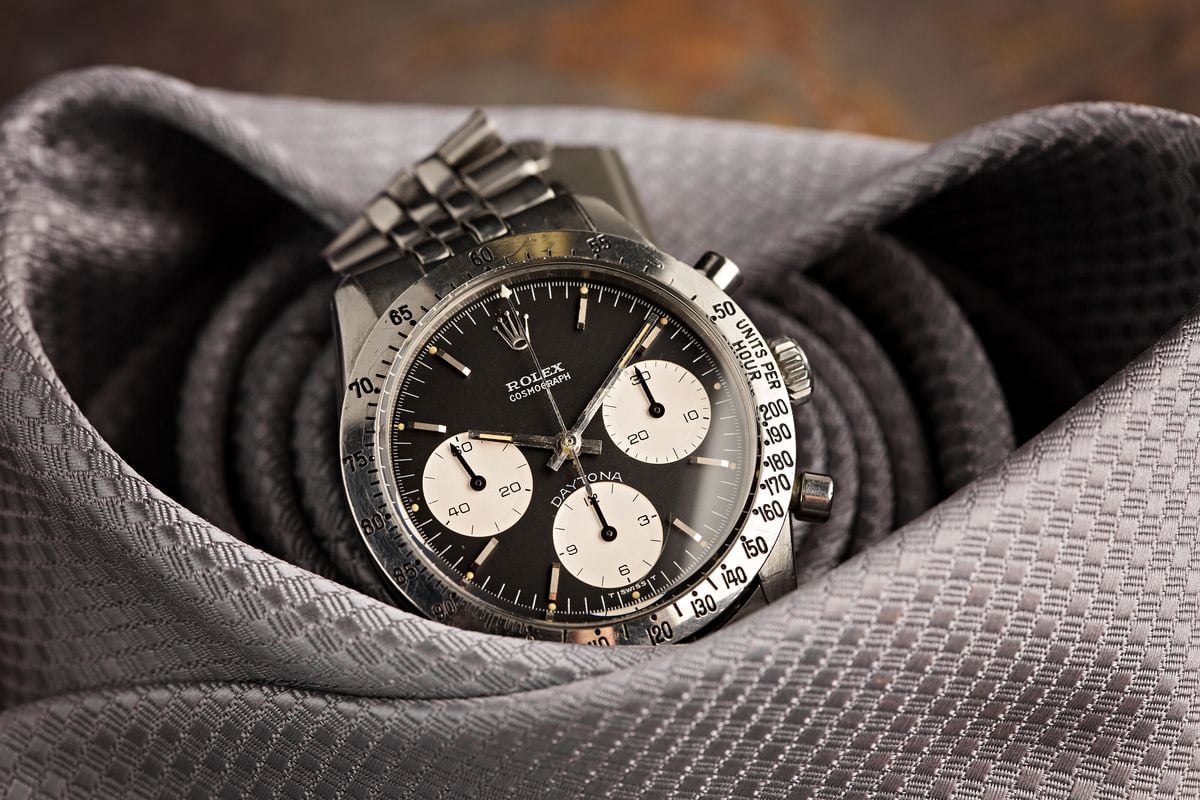
| Cosmograph Daytona (Steel) | 5 to 10 years or “wishlist only” | 2 to 4 years |
| GMT-Master II (Pepsi / Batman) | 3 to 5 years | 1 to 2 years |
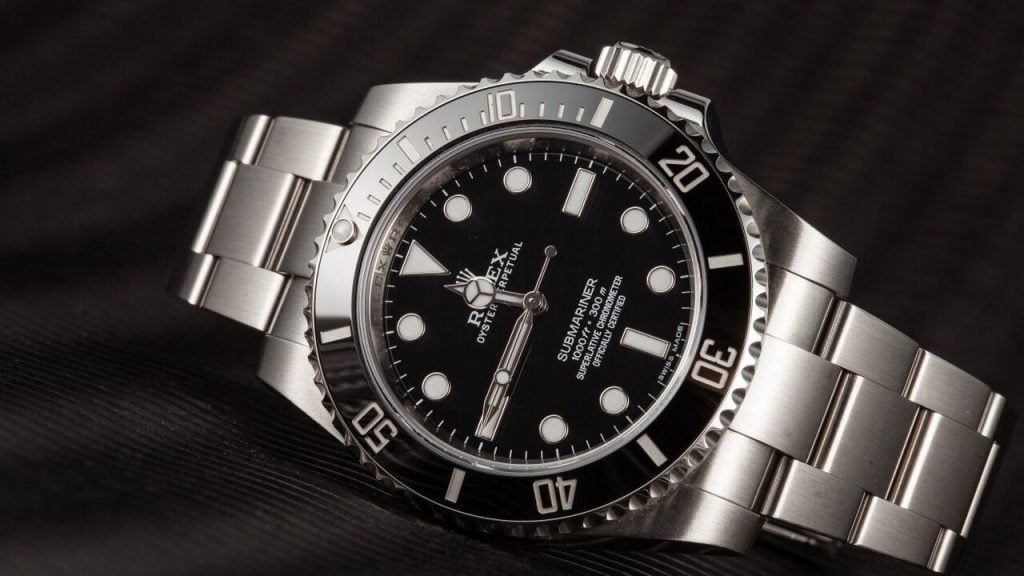
| Submariner (No Date / Date) | 1 to 2 years | 3 to 6 months |
| Explorer I and II | 6 to 12 months | 2 to 4 months |
| Datejust 36 / 41 | 3 to 9 months | 1 to 3 months |
| Oyster Perpetual (Bright Dials) | 1 to 2 years | 6 to 12 months |
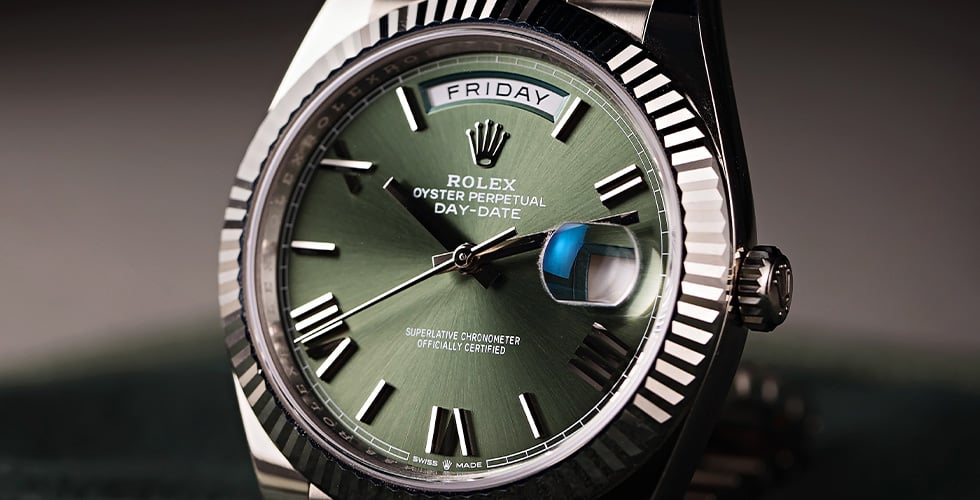
| Day-Date (Precious Metal) | 1 to 6 months | Immediate to 2 months |
These figures should be treated as directional rather than absolute. A Rolex Submariner two-tone watch may sit in a display case in one city while a steel version commands a years long wait in another. The further you move from the headline steel sports lineup, the more flexibility you’ll find on availability.
Strategic Tips to “Shorten” Your Wait
No approach guarantees a specific watch within a specific timeframe, but certain habits consistently improve a buyer’s odds. The following tips reflect common advice from sales associates and seasoned collectors across online communities.
- Visit in person. Walk into the boutique rather than calling or emailing. A face to face introduction carries more weight than any digital outreach.
- Choose one specific reference. Asking for “any professional Rolex” reads as flipper behavior. Picking one model signals genuine interest in the piece itself.
- Celebrate a milestone. Mention if the watch is for a wedding, a birth, a graduation, or a major career moment. Dealers respond well to meaningful occasions.
- Speak to your passion. Talk about the movement, the heritage of the model, or what drew you to that specific design. Specifics show authenticity.
- Skip the investment angle. Mentioning resale value or profit potential is one of the fastest ways to be quietly removed from a dealer’s list.
- Dress the part. First impressions matter in any luxury setting, and ADs do read the room when sizing up a new client.
- Build purchase history. Buying more available references, or pieces from other categories at the same boutique, strengthens your standing for the harder to source models down the line.
Regional Variations and Dealer Differences

Where you shop changes the waitlist as much as what you ask for. Major luxury hubs like New York City, London, Geneva, Hong Kong, and Dubai see enormous foot traffic, and their boutiques absorb heavy demand from tourists, business travelers, and local clientele all at once. That competition stretches wait times for sports watches well beyond what’s typical, and many flagship locations now openly tell first time walk in customers that steel Daytonas and Rolex Pepsi models are essentially unavailable without prior history.
Smaller, family operated Authorized Dealers in less populated regions tell a different story. Their total allocations of headline references are smaller, but so is the line ahead of you. Building a relationship with a regional AD can sometimes produce results faster than spending years on a list at a flagship address, especially if you’re willing to travel for the eventual pickup. Many collectors report securing their first steel sports Rolex through a boutique in a midsize city rather than a major capital.
Retail vs. Secondary Market: Is the Wait Worth It?

For most buyers, the choice comes down to time versus price. Going through an Authorized Dealer means paying retail and waiting an indefinite period. The pre-owned Rolex market offers immediate access, often at a premium over MSRP. Each path has clear advantages, and the right choice usually depends on what you value most.
The Retail (Waitlist) Path:
- MSRP pricing on the original purchase.
- Factory fresh condition and full original warranty coverage.
- The ceremony of “the call” from your AD, which many collectors view as part of the experience.
- Long, uncertain wait times with no guaranteed allocation.
- Pressure to buy other pieces along the way to maintain standing.
- Limited choice across dials, configurations, and discontinued references.
The Pre-Owned Market Path:
- Immediate availability across nearly every modern reference.
- Access to discontinued, vintage, and rare configurations that ADs cannot offer.
- Transparent condition reports and authentication on reputable platforms.
- Prices for in demand steel sports models typically run above retail.
- No need to maintain an ongoing dealer relationship.
For purchases tied to a specific date, like a wedding gift or a milestone birthday, the pre-owned route is often the practical answer. For collectors who treat the wait itself as part of the ownership story, retail remains the destination.
Navigating the Rolex Waiting List Journey
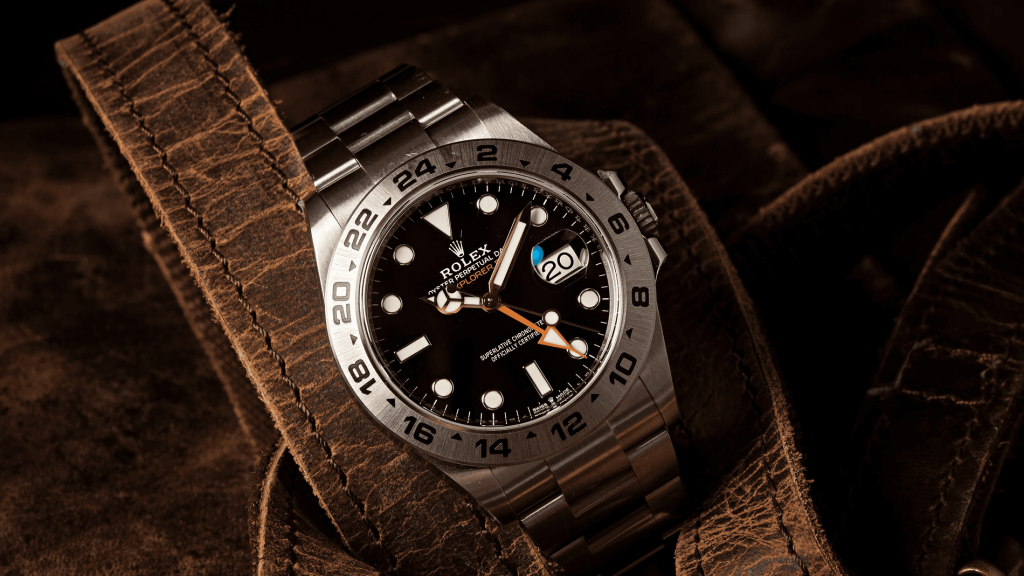
Successfully navigating the Rolex waiting list takes patience and steady engagement with your dealer. While waiting years for a watch can feel daunting at the start, receiving “the call” from an Authorized Dealer is, for many collectors, one of the more memorable parts of owning the brand. By focusing on one specific reference and developing real rapport with your sales associate, you shift from being a name in a database to a recognized client whose taste the boutique understands.
If current wait times don’t align with your timeline, the pre-owned market offers a strong alternative. Whether you choose the AD route or the immediate access of a trusted source like Bob’s Watches, owning a Rolex is a long term commitment to horological craftsmanship that outlasts any temporary frustration with the queue.